
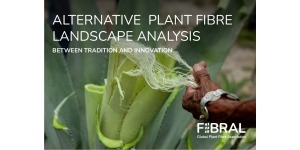
 FIBRAL – The Global Plant Fibre Association published the first comprehensive view of the alternative plant fibre landscape across major industries—providing stakeholders the insight needed to navigate the sector, evaluate opportunities, and prioritise investment and strategic support. Across the globe, thousands of plant species provide natural fibres that have been used for millennia in textiles, construction, and tools, forming an integral part of cultural heritage and sustainable livelihoods. With growing demand for bio-based, low-impact materials across industries, diversifying plant fibre sources presents a significant opportunity to contribute to a circular and climate-resilient bioeconomy, while supporting land restoration, ecosystem resilience, and rural employment. However, the sector faces persistent structural challenges, including fragmented value chains, limited investment, underdeveloped processing infrastructure, and weak market alignment.
Alternative plant fibres refer to all naturally derived fibres extracted from plants beyond cotton — whether from bast, seeds, fruits, stems, or other components. These fibres can originate from dedicated fibre crops such as sisal and abacá, agricultural by-products like pineapple leaves and banana stems, wild or invasive species like water hyacinth and milkweed, as well as other biomass crops such as miscanthus or switchgrass.
The executive report summary you find here.
The full report is available for download here.